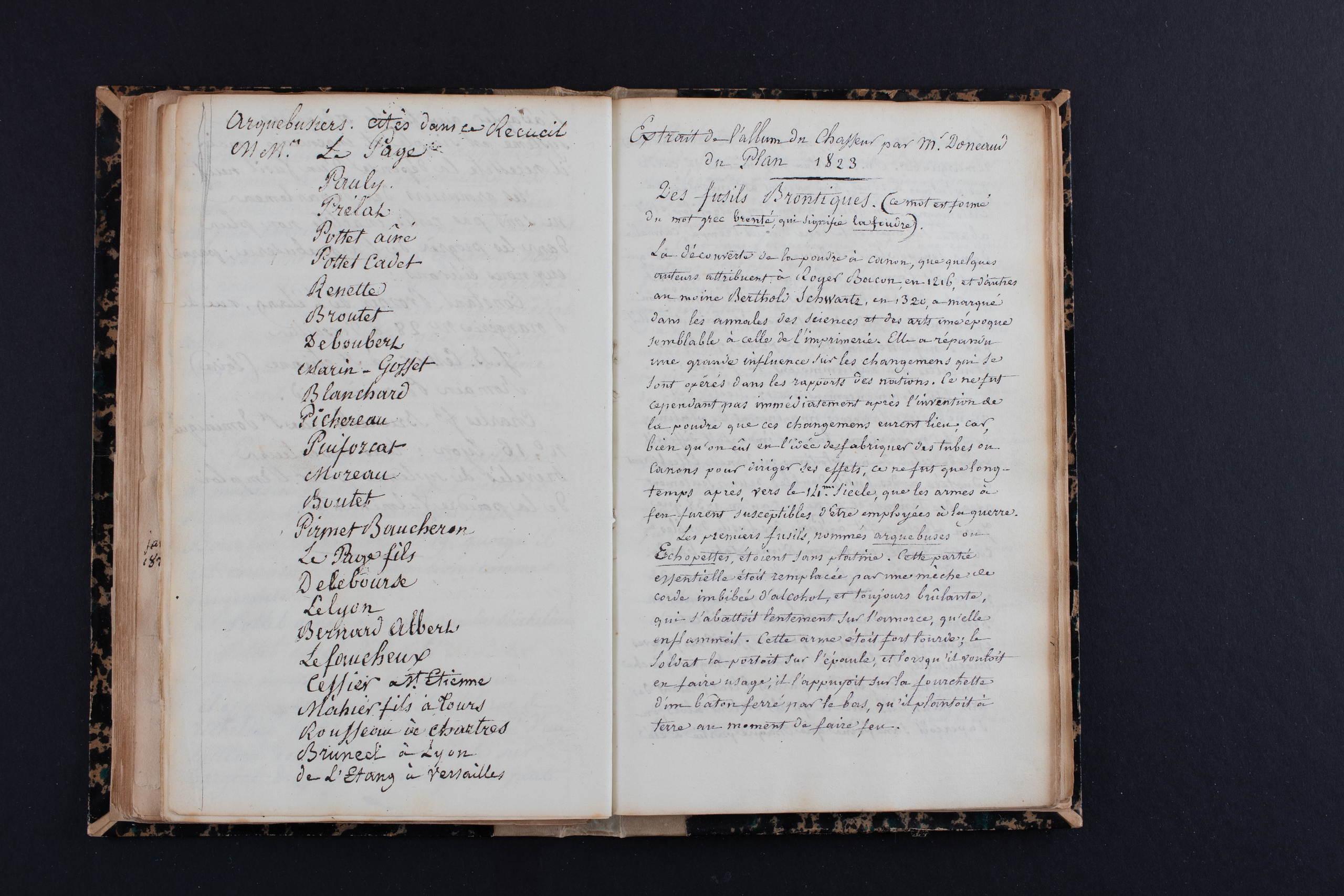
The Lefaucheux Museum supports research into the early cartridge age, with a focus on Lefaucheux, pinfire technology, Pauly-system arms, early ammunition, and the documents and images that reveal how these systems developed.
Our research projects combine artifact study, archival work, photography, translation, transcription, and publication. The goal is to make rare material more accessible and to build a clearer record of the French and European innovations that shaped modern ammunition and cartridge arms.
Our current projects include:
Catalogue of Casimir Lefaucheux Firearms
This project documents known firearms made by or associated with Casimir Lefaucheux, including early Pauly-system arms, percussion and pinfire developments, markings, mechanisms, surviving examples, and archival references. The goal is to build a clearer record of Lefaucheux’s work and place it within the wider development of early cartridge arms.
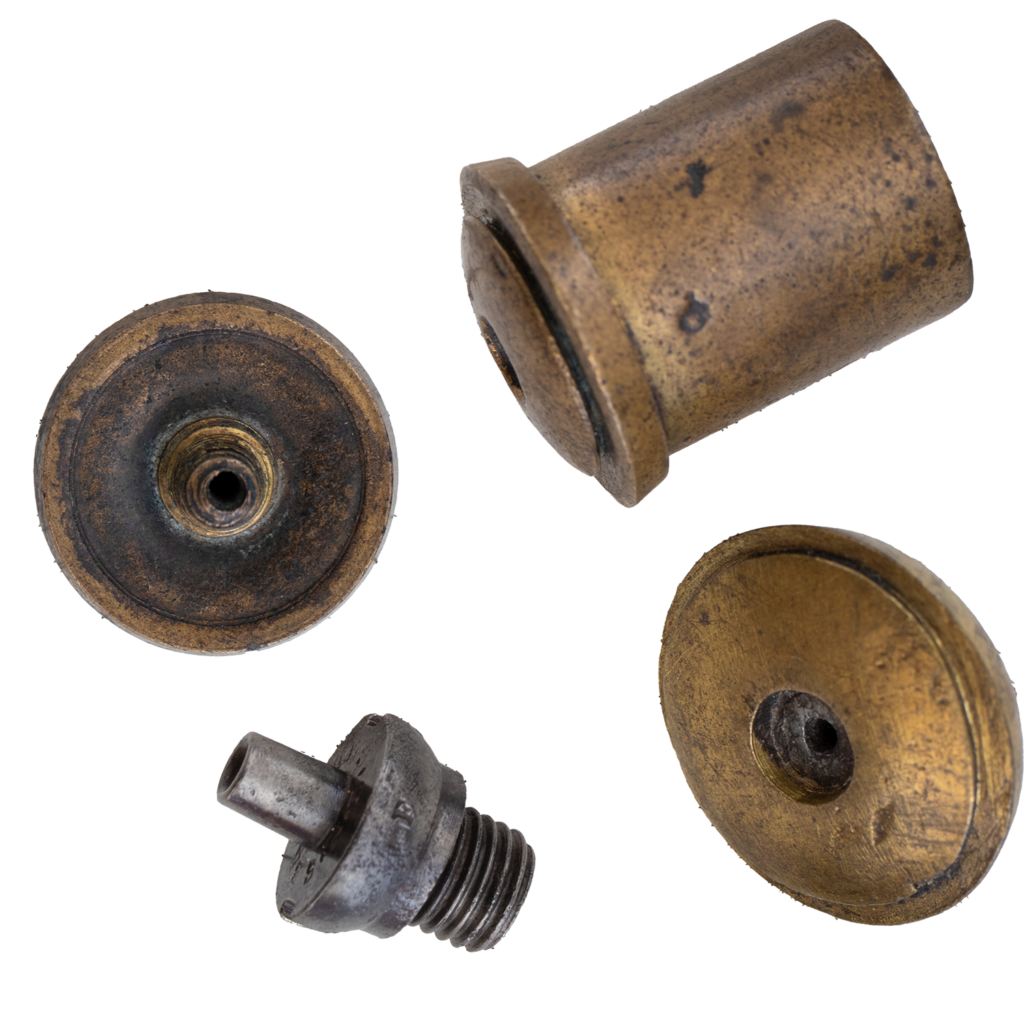
Pauly-System Arms and Early Cartridge Experiments
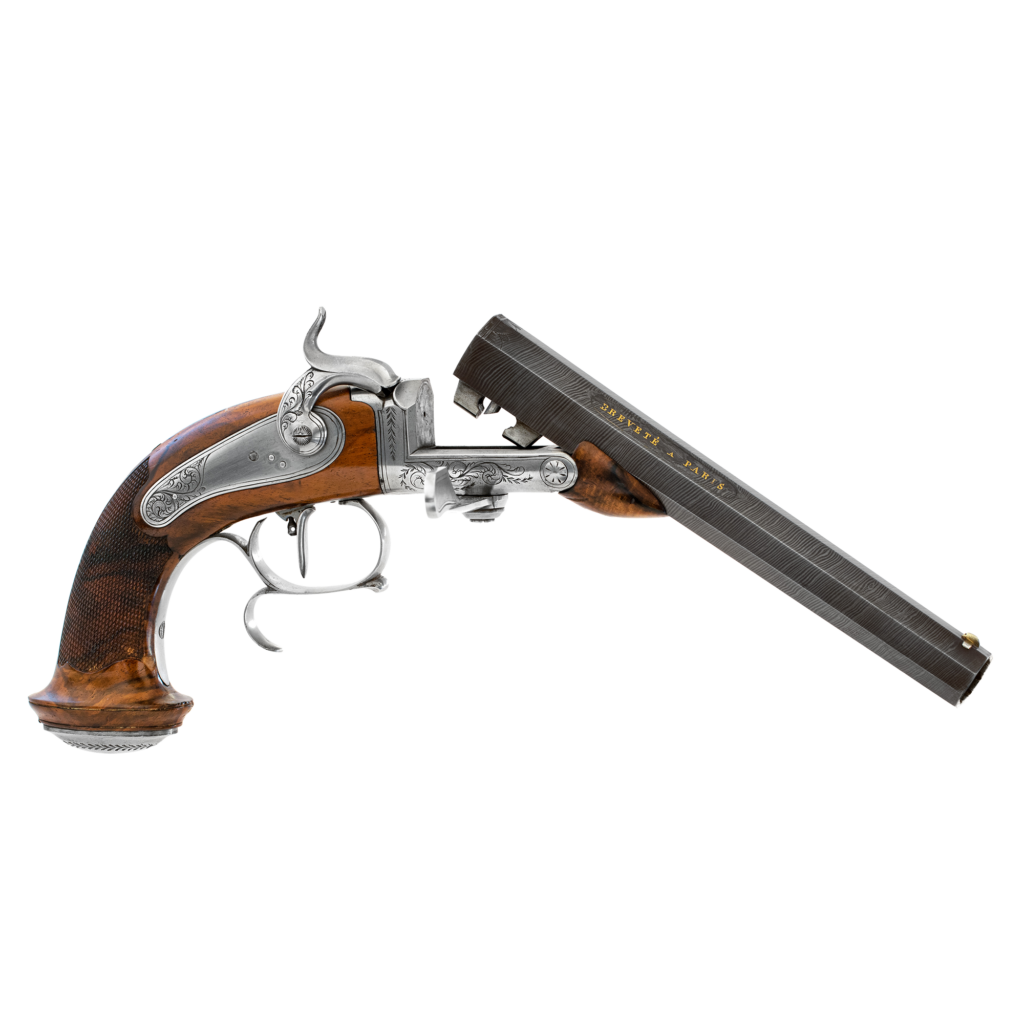
This project studies Pauly-system arms and related early cartridge developments that shaped the technical world Casimir Lefaucheux entered. It examines surviving arms, components, documents, and later references to better understand Pauly’s influence on breech-loading and cartridge experimentation in the early 19th century.
Pinfire in Use: Photographs, Art, and Everyday Life
This project documents the cultural footprint of pinfire arms through photographs, paintings, advertisements, postcards, documents, and related visual material. It studies how these firearms appeared in sporting life, military contexts, commerce, studio portraiture, and everyday use.
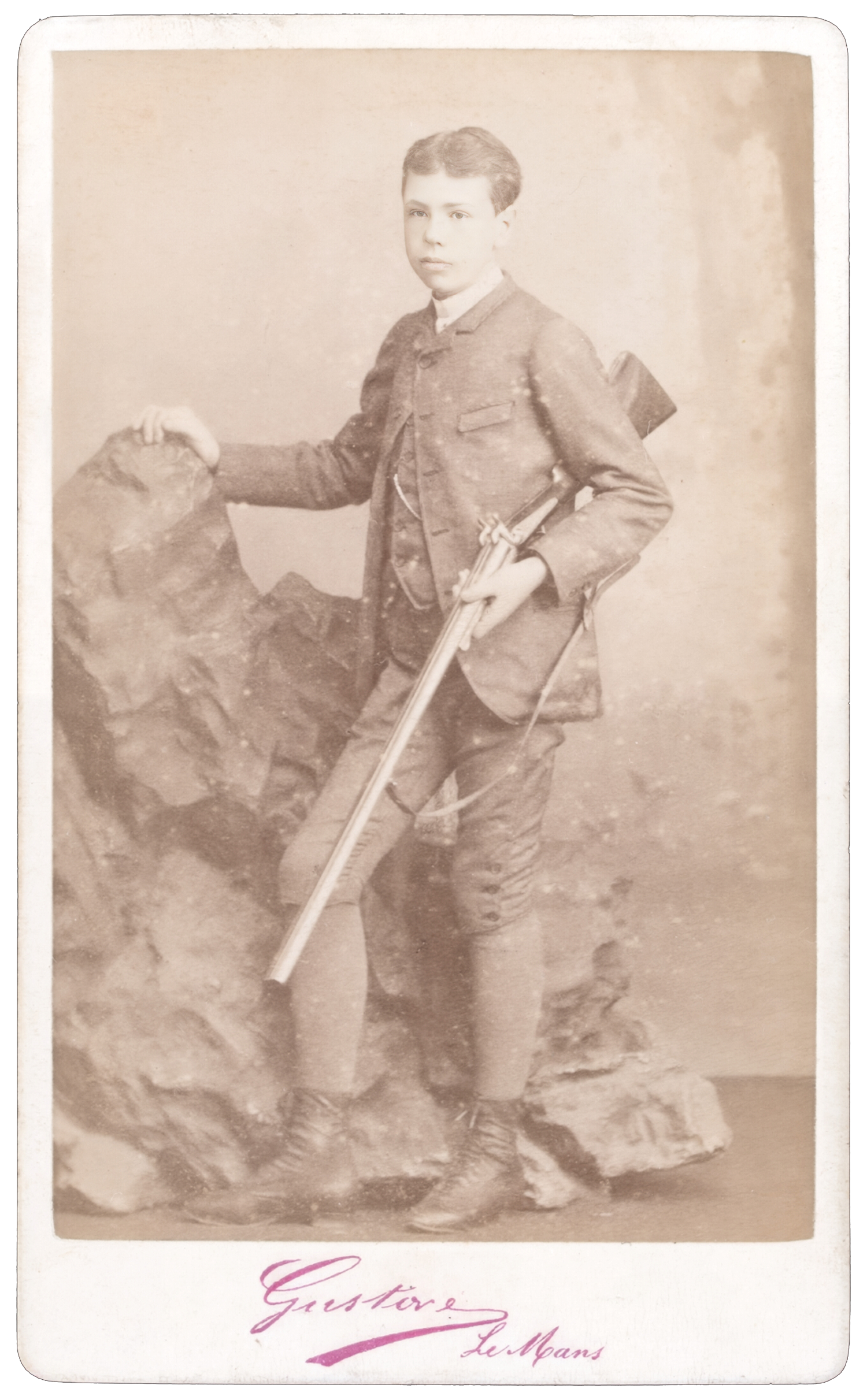
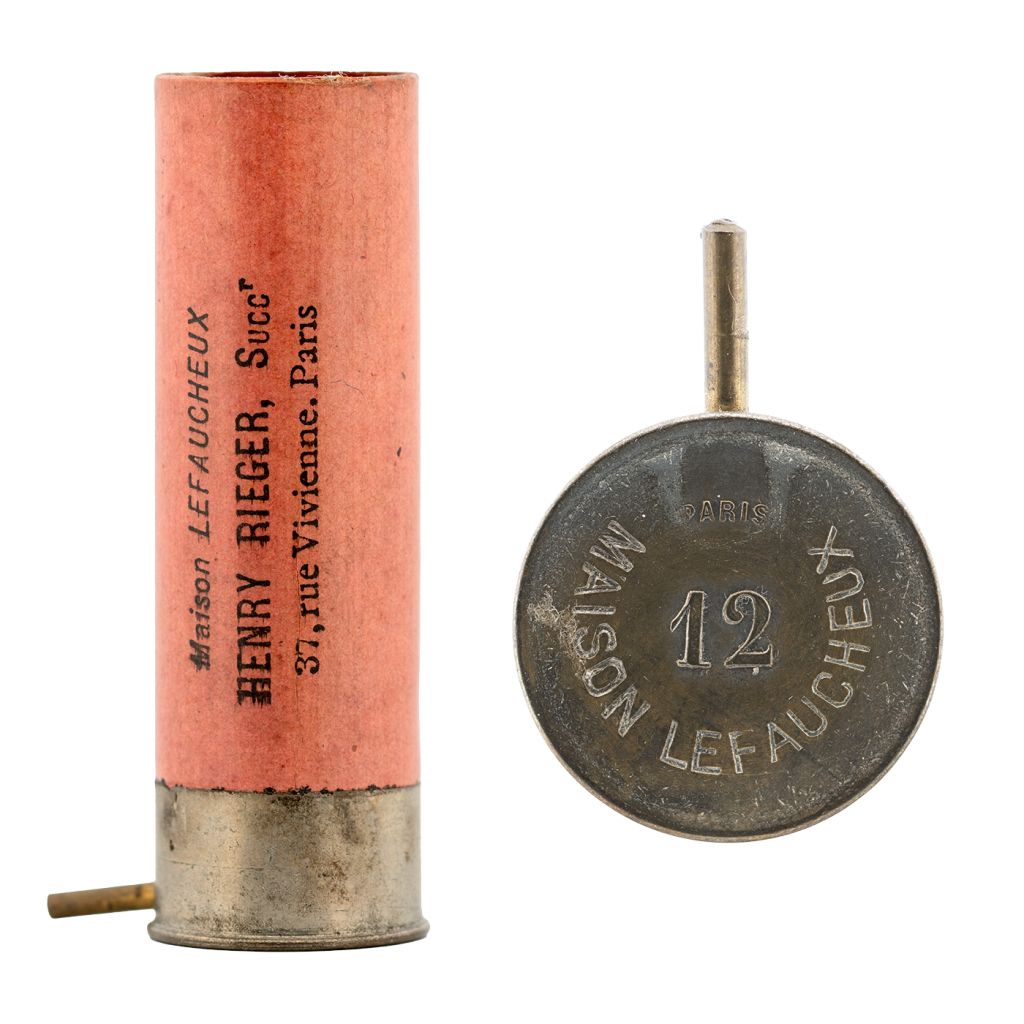
Cartridge Makers and Ammunition Development
This project studies the makers, packaging, trade material, and technical developments behind early cartridge and prepared ammunition. It connects pinfire ammunition to the wider world of French, Belgian, and British cartridge manufacture, including boxes, labels, invoices, advertisements, and surviving examples.