Jean Samuel Pauly's 1814 Patent: Apparatus for Discharging Fire-Arms by Means of Compressed Air
Description
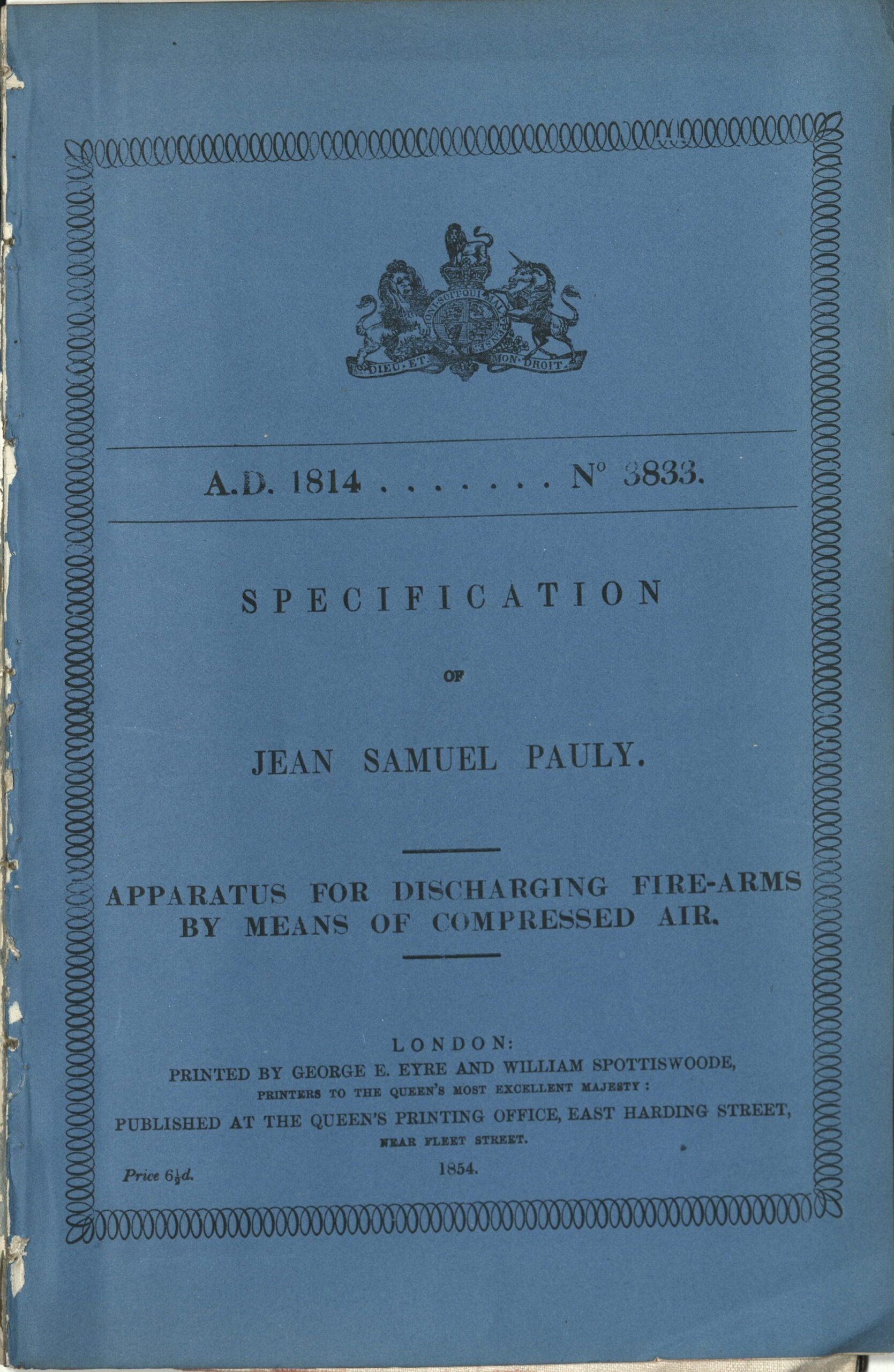
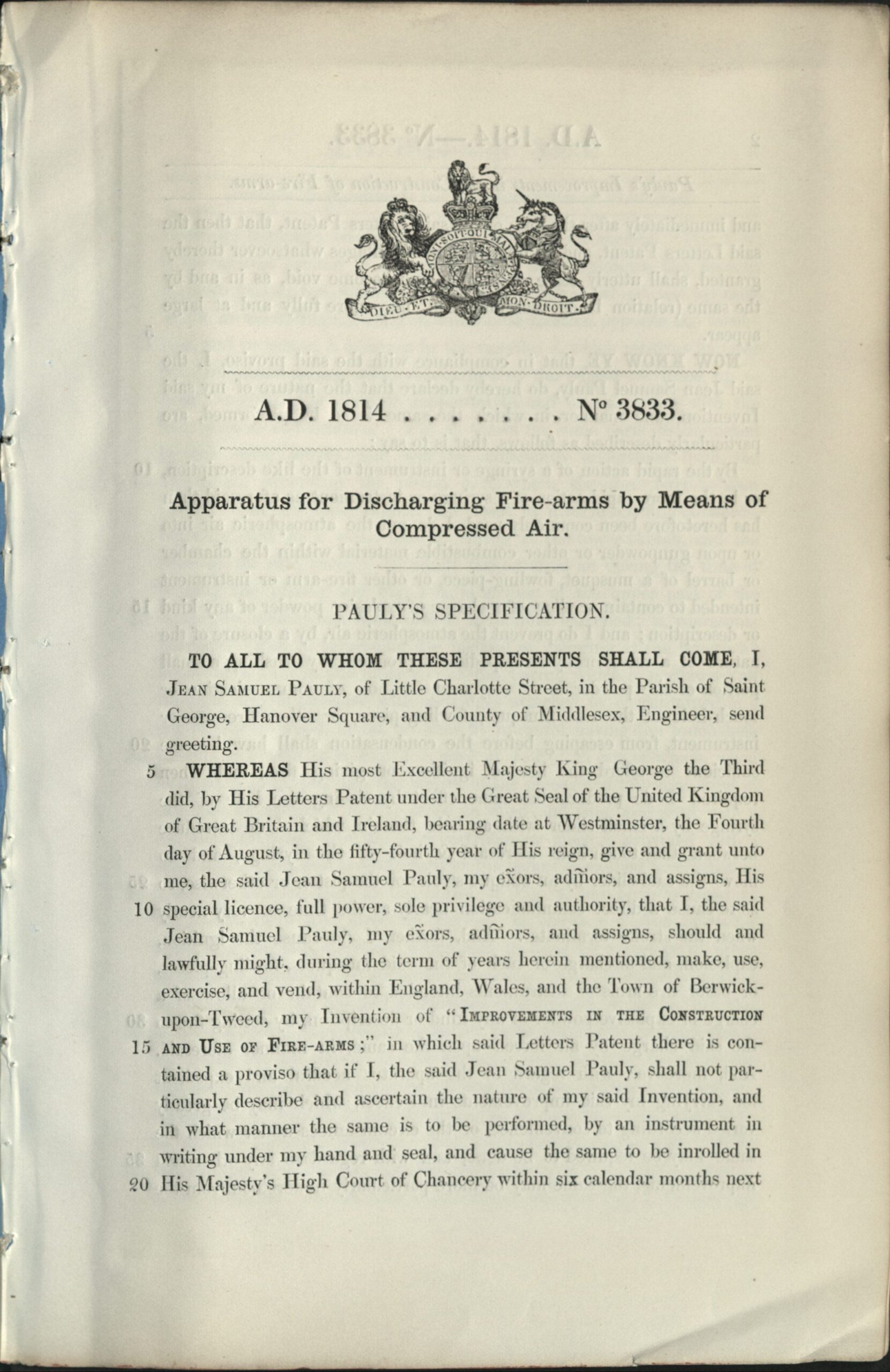
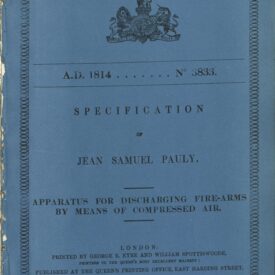
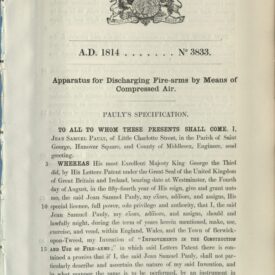
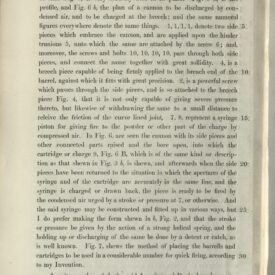
The 1814 patent specification by Jean Samuel Pauly represents a landmark moment in the history of firearms innovation. Officially titled "Apparatus for Discharging Fire-Arms by Means of Compressed Air," this patent (No. 3833) outlines a groundbreaking approach to firearm discharge mechanisms, moving away from traditional gunpowder ignition to a compressed air system.
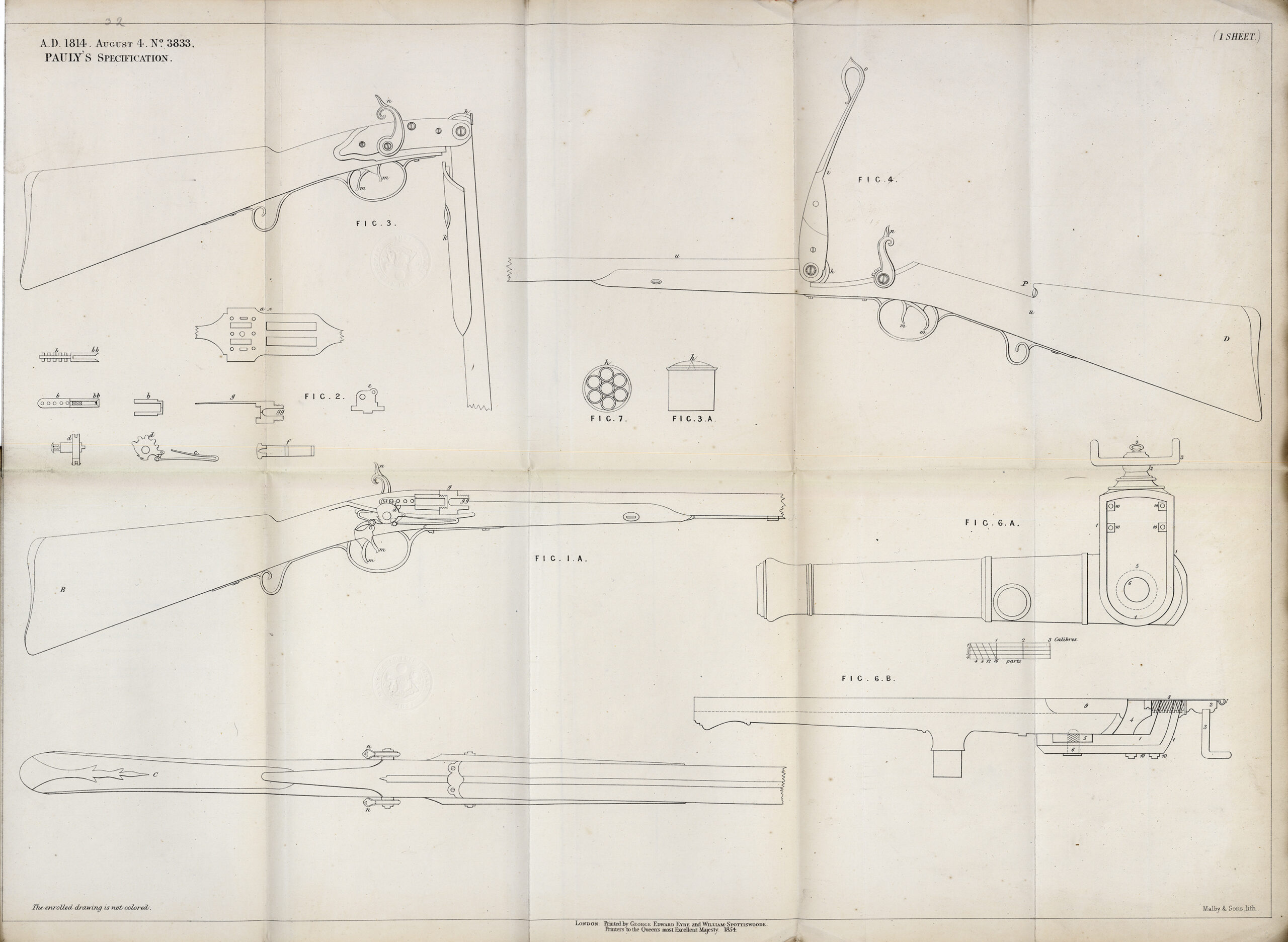
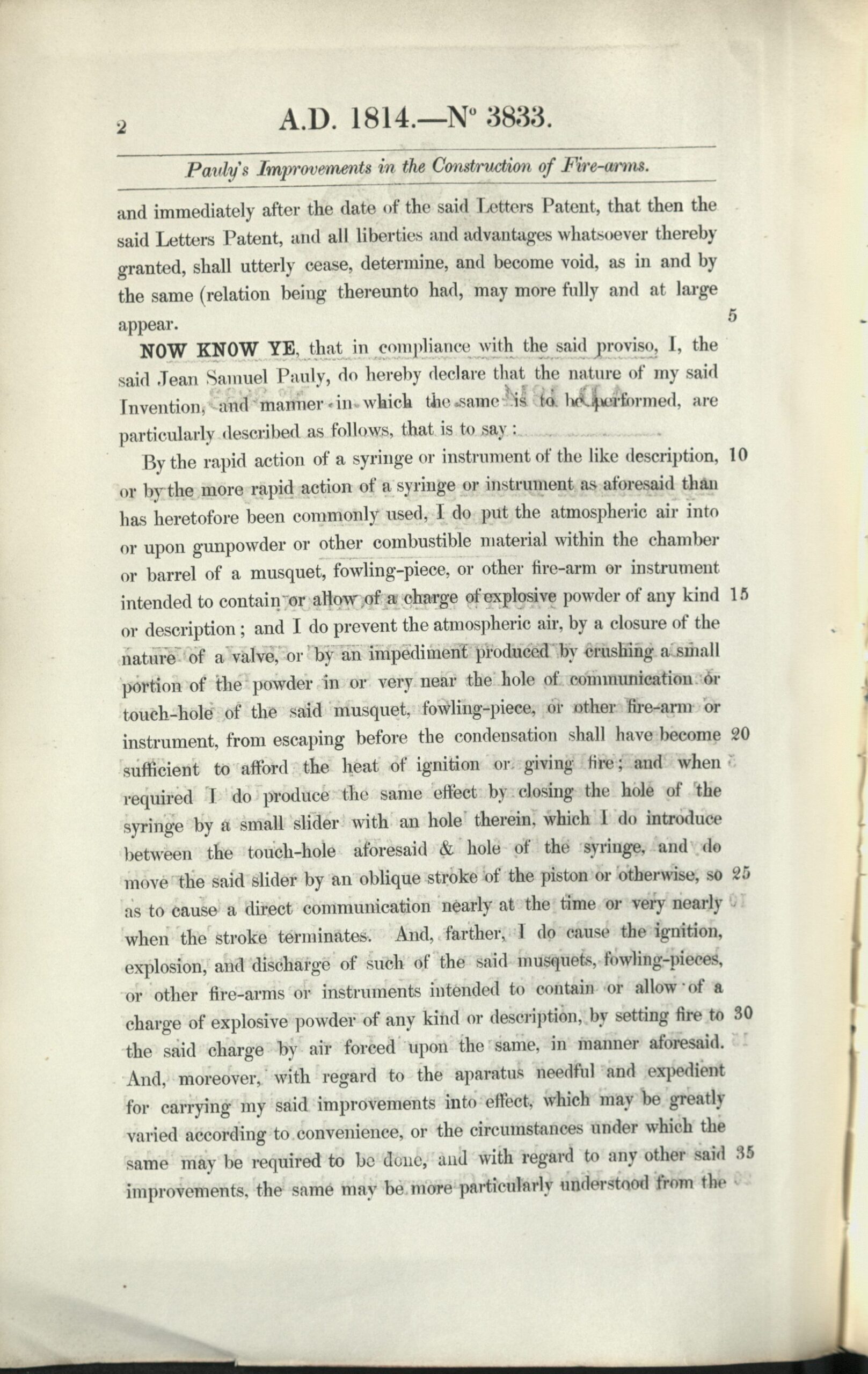
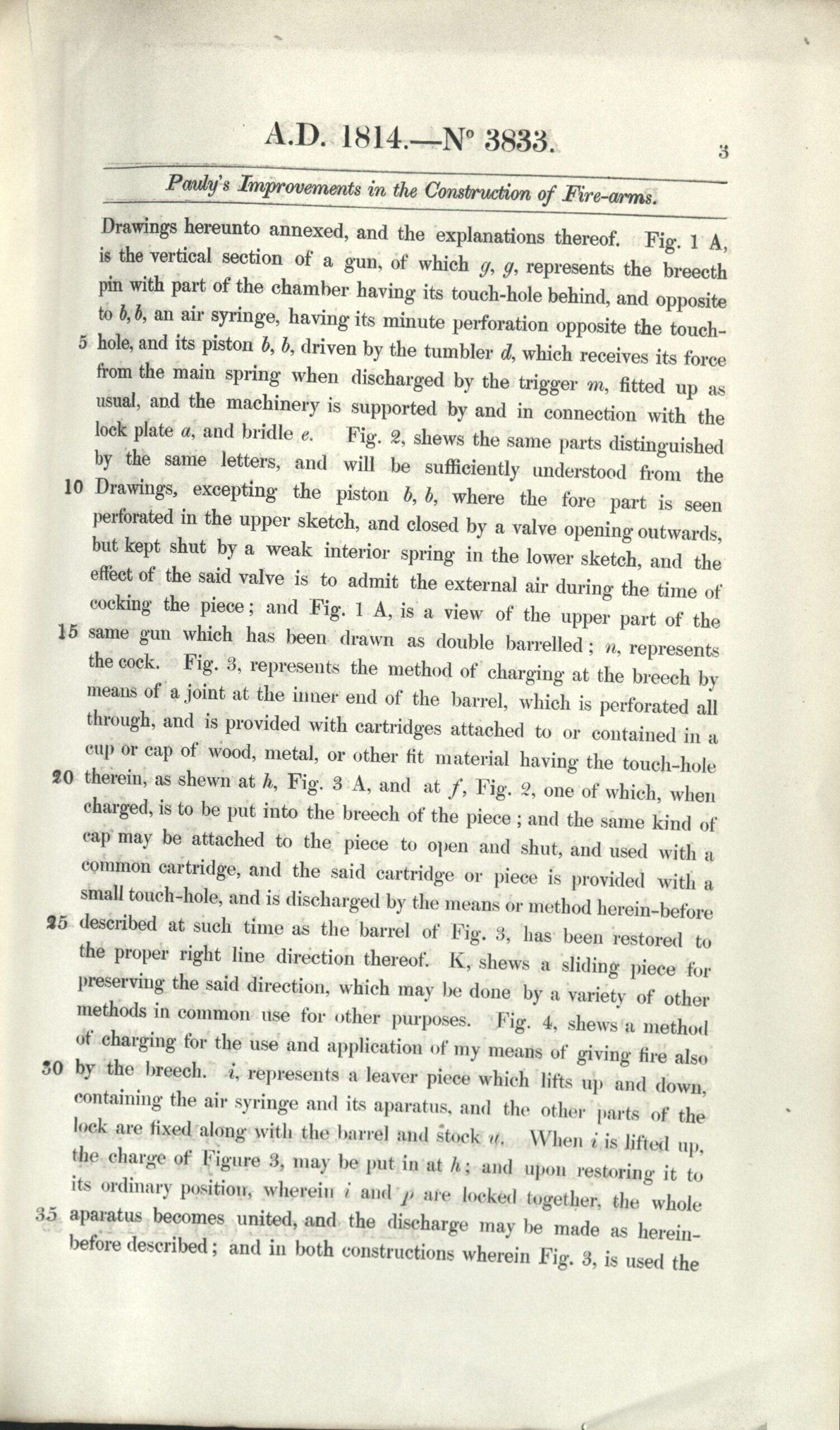
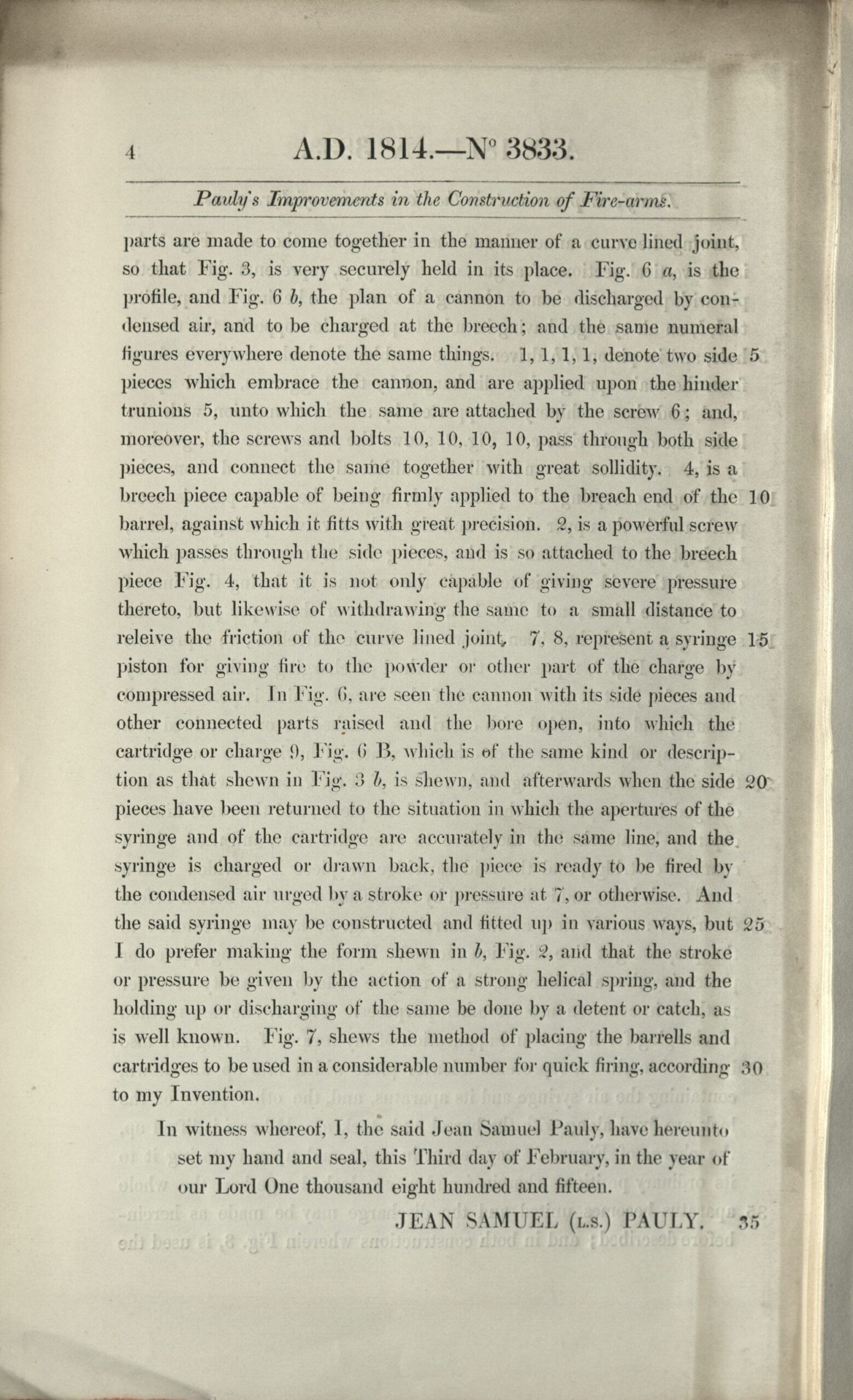
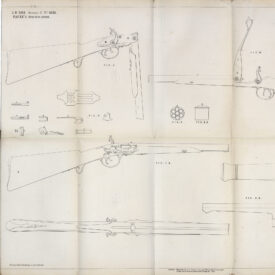
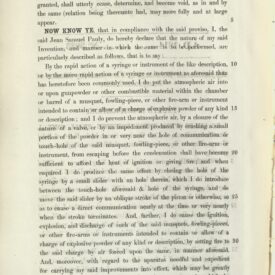
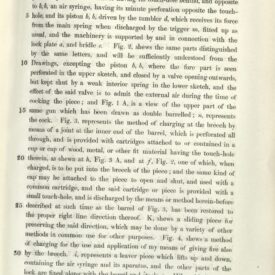
Pauly, an engineer of notable repute, proposed a design wherein the rapid action of a syringe or similar instrument would introduce atmospheric air into the chamber or barrel of the firearm, igniting the gunpowder by creating a compressed environment. This method was revolutionary for its time, offering a more reliable and potentially safer alternative to the conventional methods of firearm operation. The detailed patent description includes intricate illustrations and technical explanations, showcasing the ingenuity behind Pauly's vision.
Pauly's specification delineates a comprehensive approach to preventing the escape of atmospheric air and ensuring the efficient ignition of the gunpowder charge. The drawings and technical schematics included in the patent document further elucidate the mechanisms involved, highlighting the precision and foresight of Pauly's engineering.
Significance
In early 1814, Jean Samuel Pauly moved from Paris to England, a strategic decision driven by the political and industrial climate of the time. Paris, though a hub of innovation, was experiencing turmoil due to the ongoing Napoleonic Wars. England, on the other hand, offered a more stable environment with advanced industrial capabilities and a keen interest in technological advancements. Pauly's relocation allowed him to leverage these conditions to further his work in firearms innovation.
Pauly's 1814 patent is significant for several reasons. Firstly, it marks one of the early attempts to innovate beyond the limitations of traditional muzzle-loading firearms. By exploring the use of compressed air for ignition, Pauly laid the groundwork for subsequent advancements in firearm technology, influencing contemporaries and future generations of gunsmiths.
Secondly, this patent exemplifies the technical ingenuity of the early 19th century, highlighting the relentless pursuit of improvement that characterized the era. Pauly's work paved the way for later innovations, such as the self-contained cartridge systems developed by Casimir Lefaucheux and others. The legacy of this patent is evident in the evolution of firearms, reflecting a continuous thread of innovation and adaptation in response to the needs and challenges of the time.
As part of The Lefaucheux Museum's digital archive, this patent serves as a testament to the pioneering spirit that drove early firearms innovation. It provides invaluable insight into the technological aspirations and achievements of the period, offering a rich context for understanding the subsequent developments that revolutionized firearm engineering.
By preserving and showcasing Jean Samuel Pauly's 1814 patent, The Lefaucheux Museum honors the contributions of an early innovator whose work significantly impacted the trajectory of firearms technology. This archival entry not only highlights the historical importance of Pauly's invention but also celebrates the enduring legacy of creativity and technological advancement in the field of firearms.