Dear friends,
The Lefaucheux Museum has always been rooted in the remarkable history of the Lefaucheux family, especially their role in the development and spread of pinfire arms and ammunition. That remains central to the museum’s identity.
But as the collection has grown, it has become clear that the story is larger than Lefaucheux alone.
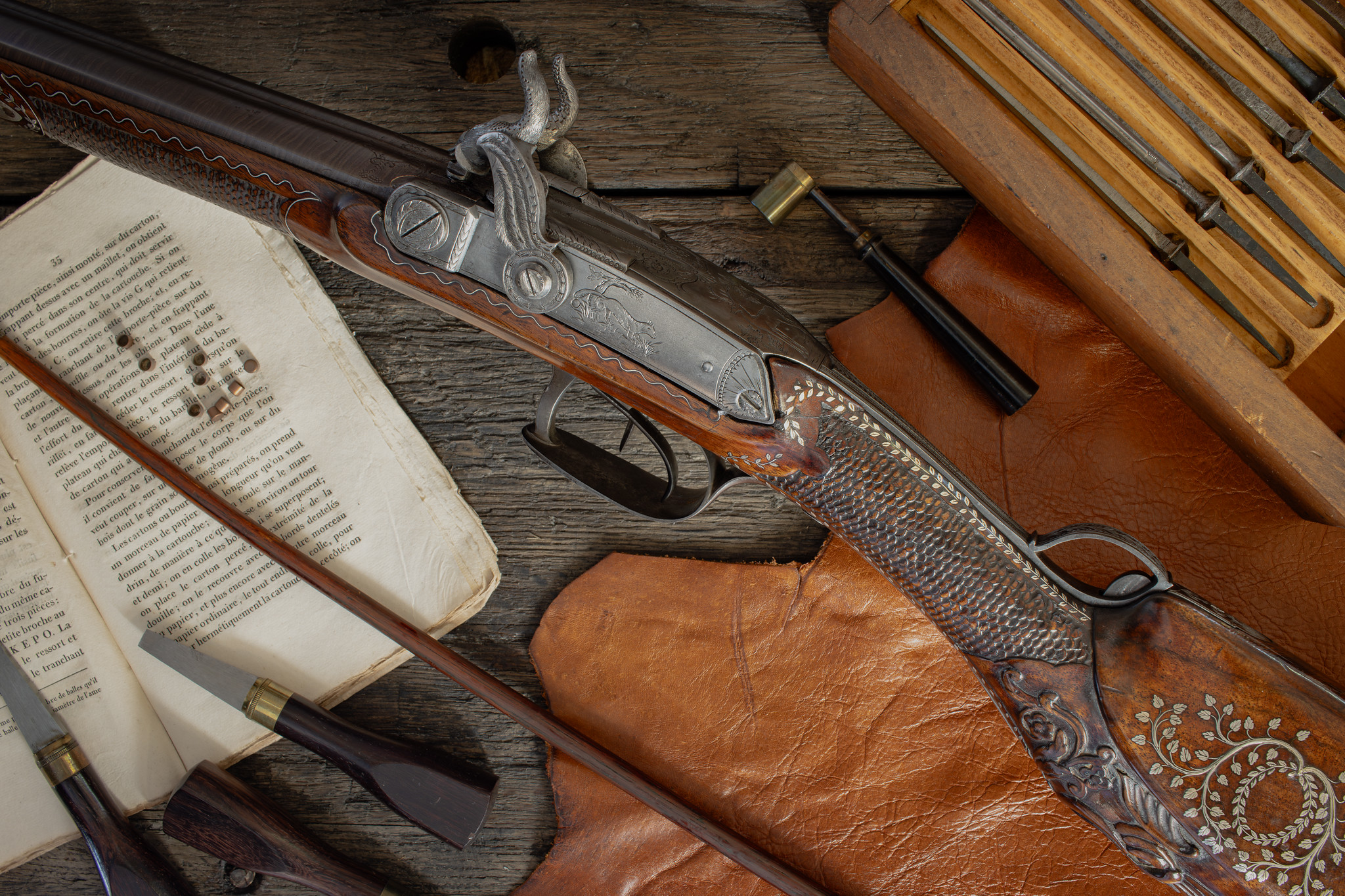
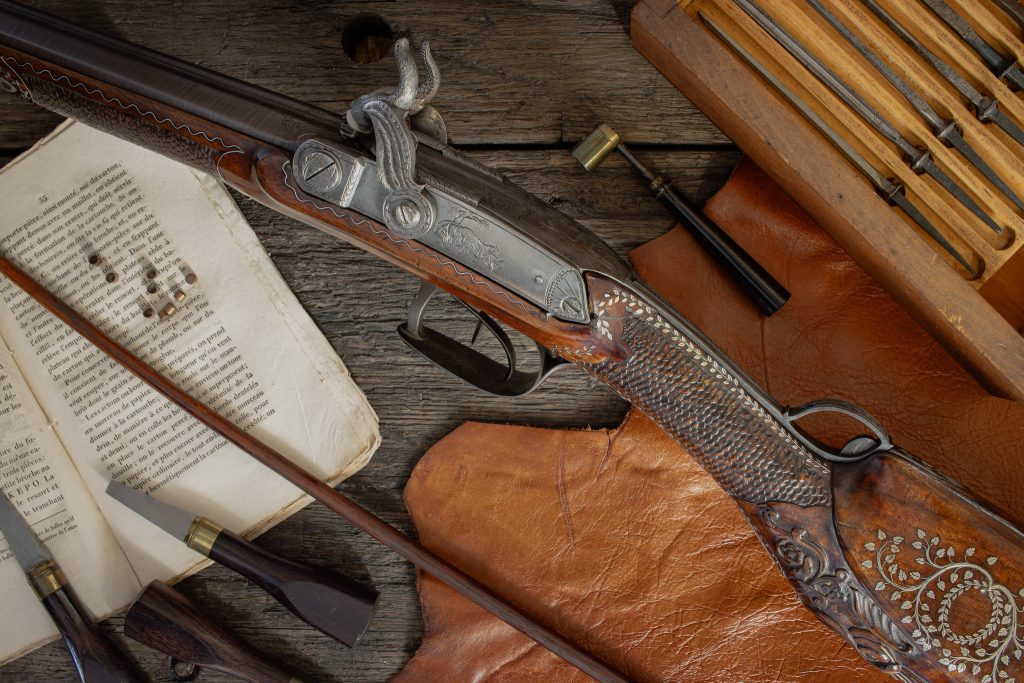
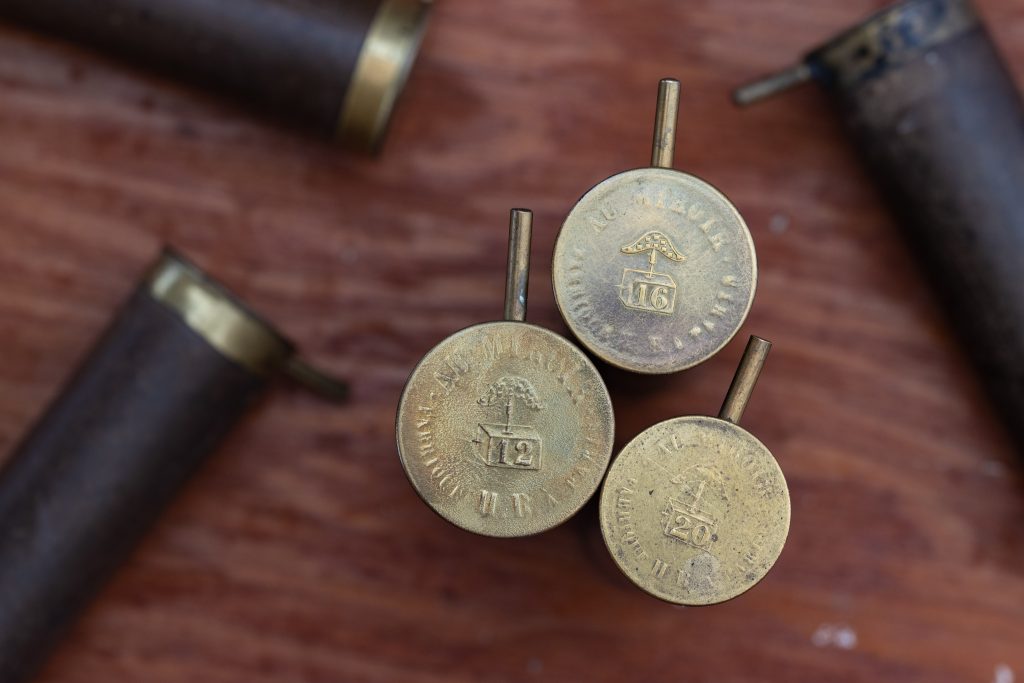
The museum now holds and documents a much wider field of early cartridge history: Pauly-system arms, early Casimir Lefaucheux firearms, pinfire arms and ammunition, Robert and Béringer systems, Pottet and early ammunition development, period documents, trade material, cartridge boxes, photographs, artwork, and related artifacts. Together, these pieces tell a broader story about the early cartridge age and the many French and European innovations that shaped modern ammunition and cartridge arms.
The updated mission
The museum’s updated mission reflects this broader focus:
The Lefaucheux Museum preserves and shares the early history of cartridge firearms. Built around an exceptional collection of early arms, ammunition, documents, photographs, artwork, and related artifacts, the museum explores the French and European innovations that shaped the development of modern ammunition and cartridge arms.
This does not move the museum away from Lefaucheux. Instead, it places Lefaucheux in the larger historical field where his work belongs.
Casimir and Eugène Lefaucheux were part of a wider 19th-century world of invention and experimentation: new ignition systems, prepared ammunition, breech-loading mechanisms, cartridge manufacture, sporting use, military adoption, and international trade. The updated mission allows the museum to tell that story more fully.
Why the scope is changing
The earlier mission focused primarily on the Lefaucheux family. That made sense as a starting point, but it no longer captures the full depth of the collection or the historical connections it represents.
The updated scope allows the museum to include figures and systems closely tied to the development of cartridge firearms, including Pauly, Béringer, Robert, Pottet, and other French and European innovators. It also creates room for related developments in needle-fire, rimfire, British cartridge and firearms history, and other experiments of the early cartridge age.
This broader approach helps show how pinfire technology emerged within a much larger environment of invention. Lefaucheux remains the anchor, but the museum can now present the surrounding world that made these innovations possible.
More than firearms alone
Another important part of this change is that the museum is not only about guns.
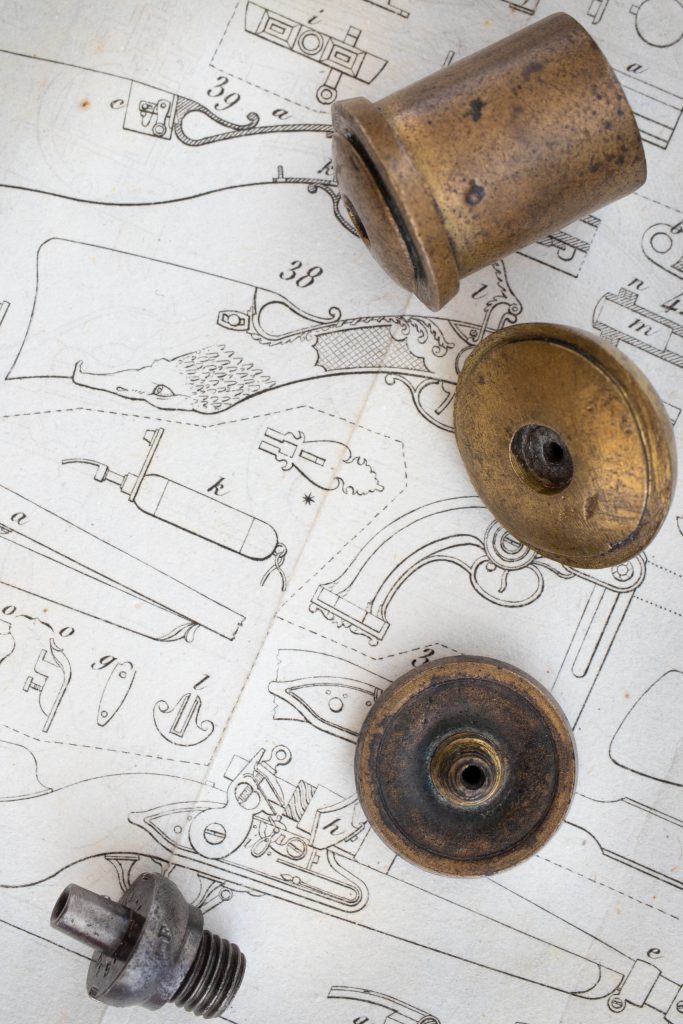
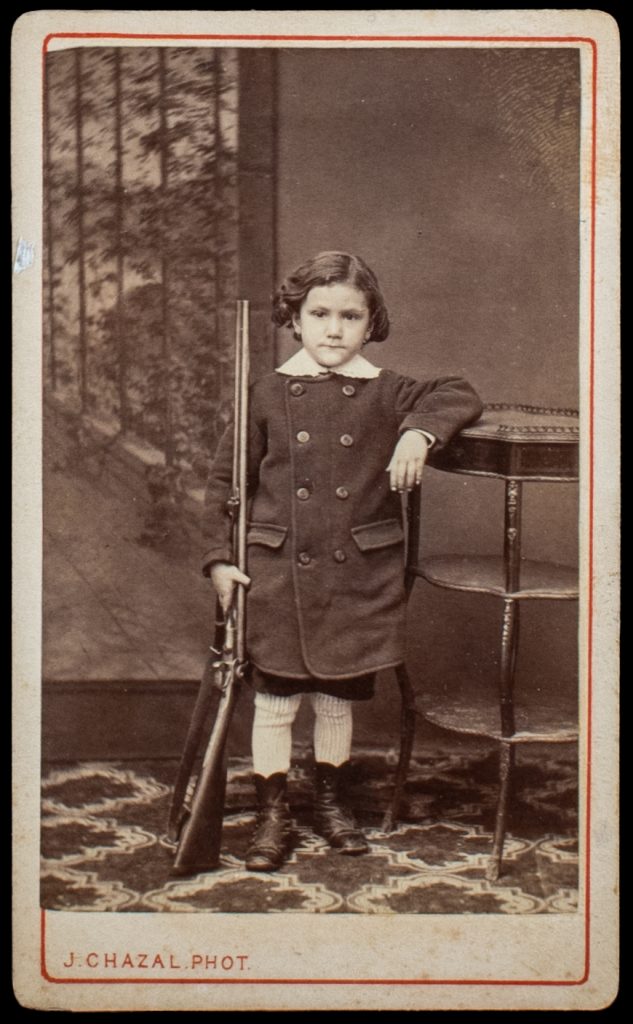
The collection includes documents, photographs, advertisements, invoices, cartridge boxes, paintings, and other material that shows how these technologies were made, sold, used, and understood. These objects help connect technical invention to everyday life, sporting culture, military use, commerce, and visual culture.
A firearm or cartridge can show how something worked. A photograph, invoice, painting, or trade card can show how it appeared in the world.
That is an important part of the museum’s future.
What this means going forward
This updated mission gives The Lefaucheux Museum a clearer and more flexible foundation. It will guide future digital exhibits, collection pages, research articles, and public interpretation.
The museum remains rooted in Lefaucheux and pinfire, but it can now tell a larger story: how French and European inventors, gunmakers, and ammunition makers contributed to the development of modern cartridge firearms.
Thank you for following and supporting the project as it grows. More collection features, research updates, and digital exhibits will follow soon.
Aaron Newcomer
The Lefaucheux Museum